
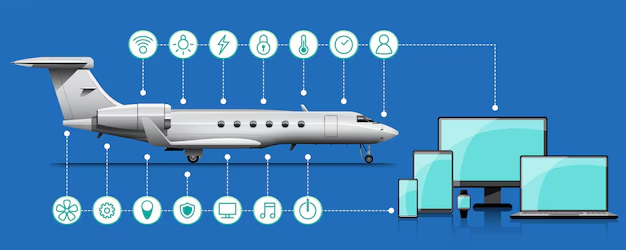
Airlines like Iberia and LOT generate massive amounts of data daily, encompassing customer behavior, operational metrics, and market trends. Leveraging this wealth of information effectively can help airlines increase their sales, optimize operations, and enhance customer experiences. Here’s how I would utilize airline data to achieve these goals.
1. Customer Segmentation and Personalization
By analyzing customer data, such as purchase history, travel frequency, and preferences, I would create detailed customer segments. For instance, frequent business travelers, budget-conscious tourists, and family vacationers have distinct needs. Using these insights, airlines can offer personalized promotions, such as discounts on frequent routes for business travelers or family travel packages. Personalization fosters loyalty and encourages repeat purchases.

2. Dynamic Pricing Strategies
Dynamic pricing leverages data on demand patterns, seasonality, and competitor pricing to adjust fares in real-time. By analyzing historical booking trends and market conditions, I would help airlines develop models to maximize revenue. For example, ticket prices can be raised during peak travel seasons while offering early-bird discounts to incentivize bookings during off-peak periods.
3. Enhancing Loyalty Programs
Airlines’ loyalty programs, such as frequent flyer schemes, are goldmines for customer data. Analyzing this data can reveal which perks customers value most, enabling targeted campaigns to increase participation. For instance, offering bonus miles for less-trafficked routes or during slower seasons can drive sales while optimizing capacity.

4. Predictive Analytics for Demand Forecasting
Predictive models can help airlines anticipate future demand based on historical trends, weather patterns, and major events. This enables better resource allocation, such as adjusting flight schedules or launching targeted marketing campaigns. Improved demand forecasting ensures maximum seat utilization, driving higher revenue.

5. Improving Ancillary Revenue
Airlines derive significant income from ancillary services like baggage fees, seat upgrades, and onboard amenities. Analyzing purchasing patterns can identify cross-sell and up-sell opportunities. For example, customers booking long-haul flights may be offered discounted premium seats or bundled deals for onboard meals and Wi-Fi.

6. Optimizing Marketing Campaigns
Marketing effectiveness can be enhanced through data-driven strategies. Analyzing social media trends, website analytics, and email campaign performance can reveal what resonates with customers. This information allows airlines to refine their messaging and target audiences with precision, driving higher engagement and conversions.
Invite you to read my other post!